Community
Township voters to decide whether to expand Board of Supervisors
By David Robinson
Advertisement · Why this ad?
David graduated from Franklin & Marshall College and has been a community journalist for over 8 years, previously working at the Lancaster Examiner. He focuses on the heart of Lancaster, covering local events, festivals, and community initiatives.
More from David →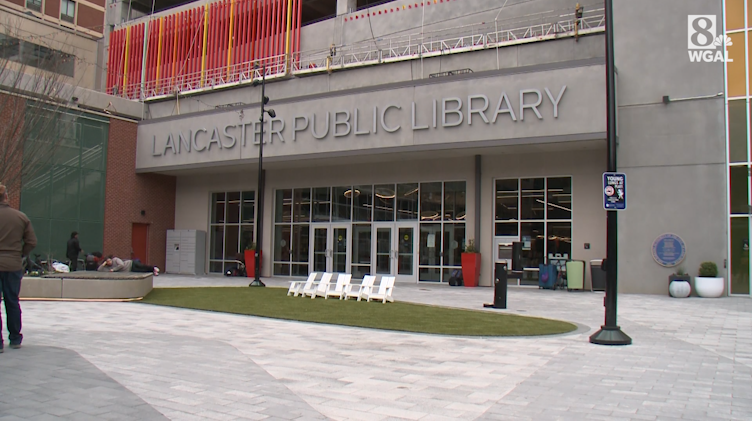
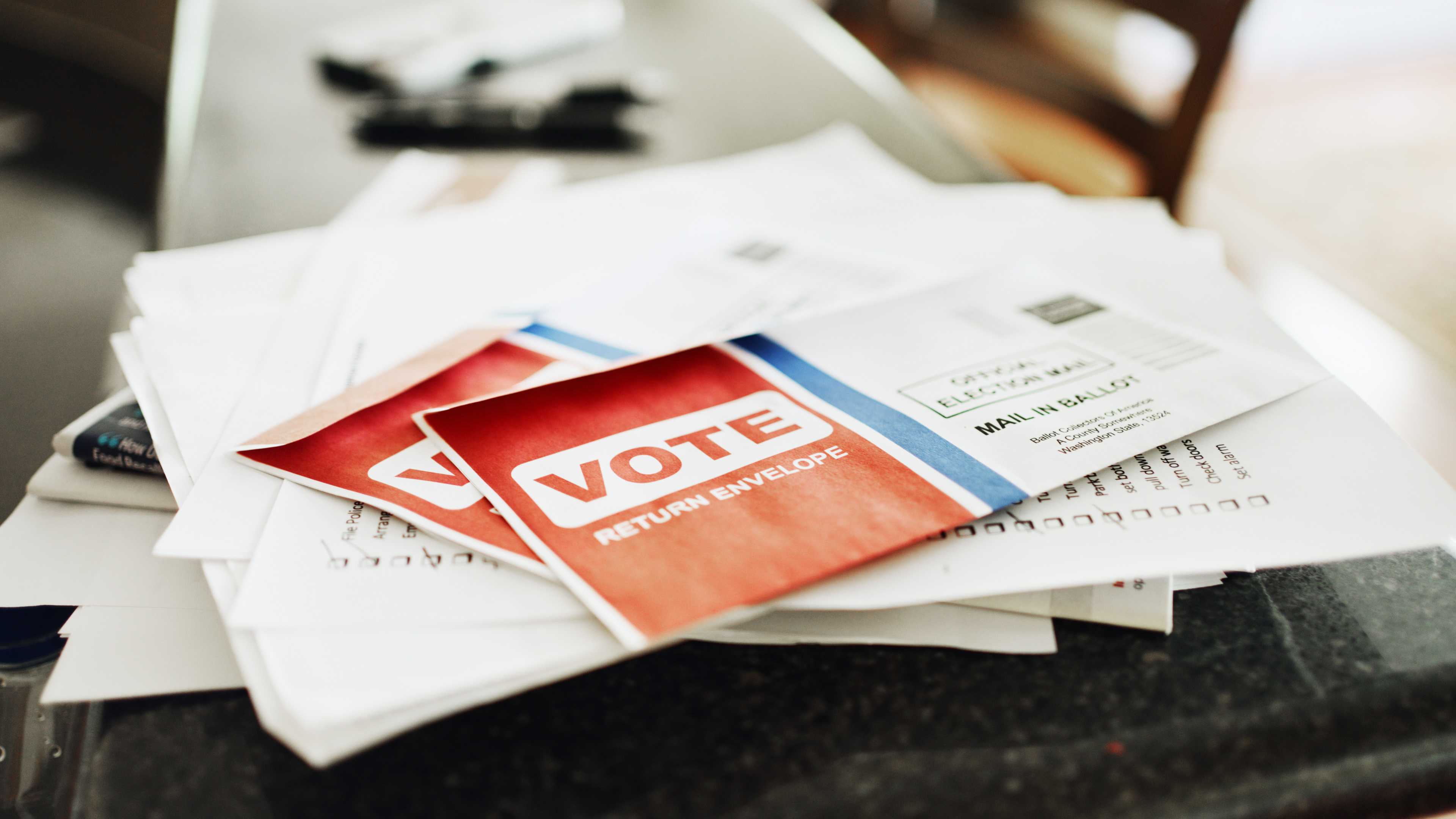
As the sun began to rise over Lancaster County on a crisp November morning, families gathered at polling stations, their excitement palpable. Among them was Sarah Thompson, a mother of three, who stood outside the local library with her children, eagerly discussing the importance of libraries in their lives. "Libraries are more than just books; they are community hubs where my kids can learn, grow, and connect with others," she said, her voice brimming with enthusiasm. Today, she was casting her vote in a pivotal referendum that could secure a dedicated funding source for public libraries across the county.
On November 7, 2023, Lancaster County voters faced a crucial decision: whether to approve a property tax increase that would provide public libraries with a stable source of funding. The referendum proposed a 0.55-mill property tax, which translates to about $55 for every $100,000 of a property's assessed value. For homeowners, this meant that if their property was valued at approximately $350,000, they would see an increase of around $200 in their annual property taxes.
Lancaster County Commissioner Ray D'Agostino emphasized the significance of this tax, stating, "This funding is critical for our libraries to maintain and expand their services. Without it, we risk losing valuable community resources that many families rely on." The Lancaster Public Library System provided residents with a simple formula to calculate their potential tax increase, encouraging transparency and understanding as voters made their decisions.
The need for this dedicated funding has become increasingly urgent. Deborah Drury, the executive director of the Elizabethtown Public Library, expressed her concerns about the current funding model, which relies heavily on unpredictable municipal, county, and state support, along with fundraising efforts that account for about 60% of the library's budget. "Our library just turned 101 years old, and while we have a rich history, our future depends on stable funding. We’re facing challenges like aging buildings that require repairs, and without this tax, we may have to cut back on essential services," she warned.
Libraries have long served as the backbone of community education and engagement, offering resources that extend beyond books to include technology access, community programs, and safe spaces for families. Drury pointed out that the Elizabethtown Public Library has been forced to delay necessary maintenance, such as refreshing the carpeting and addressing other building repairs due to financial constraints. "Maintenance that is not urgent often gets pushed aside, but it’s crucial for providing a welcoming environment for our patrons," she explained.
Moreover, the threat of losing funding from local municipalities looms large. Drury revealed that the West Donegal Township Board of Supervisors has considered cutting off its library funding entirely, which could jeopardize the library's ability to serve the community effectively. "We’re trying to show Lancaster County what thriving public library services look like, but we need the community’s support to make that happen," she added.
The impact of libraries on families cannot be overstated. Sarah Thompson, who was among the many voters advocating for the tax, shared how her children have benefited from library programs, from story hours to summer reading challenges. "These programs inspire my kids to read and learn, and they foster a love for books that I hope will last a lifetime," she said, highlighting the personal stakes involved in the referendum.
The potential consequences of the referendum's outcome are significant. If the tax passes, it would provide a dedicated funding stream for libraries throughout Lancaster County, allowing them to enhance their services and expand programs that cater to the community's needs. Drury expressed hope that the funding would enable libraries to work collaboratively, creating a more robust network of resources and services that benefit all residents.
Conversely, if the referendum fails, libraries may face dire consequences. Drury warned that some libraries could be forced to cut hours, reduce programs, or even close their doors entirely. "We want to be able to offer more, not less, to our community. The libraries are here for everyone, and without this funding, we risk losing that accessibility," she said, her voice tinged with concern.
In a community that values strong families and educational opportunities, the outcome of this referendum will resonate far beyond the ballot box. Libraries are not just institutions; they are a reflection of a community's commitment to education, literacy, and the well-being of its residents. The decision made by voters today will shape the future of Lancaster County's libraries and the families that depend on them.
For those wanting to learn more about the referendum and its implications, resources are available through the Lancaster County Government. Their website provides detailed information on property taxes, library funding, and community resources that residents can access. Additionally, the Lancaster Public Library System offers insights into the services provided by local libraries and the impact they have on the community.
Local advocacy groups also play a crucial role in educating voters about the importance of library funding. Organizations such as the Lancaster County Library System and the American Library Association provide resources and support for libraries, emphasizing the need for stable funding to ensure their continued success.
As the voting day unfolds, it is clear that the decision on this referendum is not merely about a tax increase; it is a reflection of the values and priorities of the Lancaster County community. The libraries represent a commitment to education, family, and the future of the next generation.
As the ballots are counted and the results are announced, the Lancaster community will hold its breath. The outcome of this referendum will not only determine the future of public libraries but will also signal the community's commitment to fostering a love of learning and literacy among its residents.
Regardless of the result, the conversations sparked by this referendum will likely continue, as residents reflect on the role of libraries in their lives and the importance of investing in community resources. Drury remains hopeful, stating, "I believe that when we come together as a community, we can create a brighter future for our libraries and the families that rely on them. Together, we can ensure that our libraries thrive for generations to come."
In the coming days, community members will have the opportunity to engage in discussions about the future of library funding, exploring alternative solutions and advocating for the resources needed to keep their libraries vibrant and accessible. The spirit of Lancaster County, rooted in strong families and a commitment to education, will undoubtedly guide these conversations as residents work together to support their community's most cherished institutions.