Dining
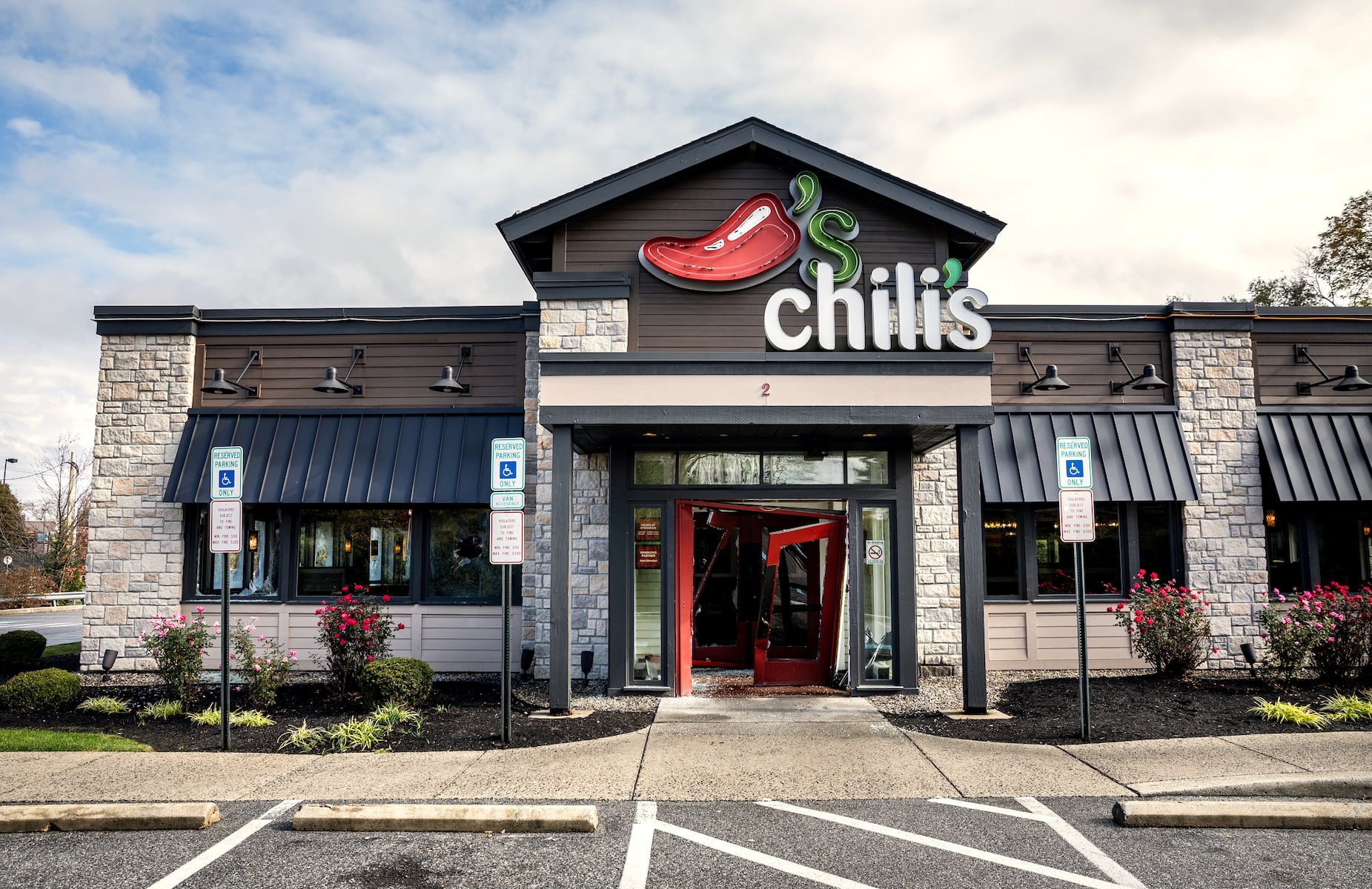
Ex-employee who crashed stolen car into Chili’s said coworkers bullied him, police say
By Sarah Patel
Advertisement · Why this ad?
Marcus, a culinary enthusiast and graduate of the Culinary Institute of America, has been a food writer for over 5 years, contributing to local publications like the Philadelphia Eagle. He loves exploring diverse dining experiences in King of Prussia, from gourmet restaurants to hidden gems. Marcus believes food has the power to bring communities together.
More from Marcus →
Philadelphia sends its trash to be burned. Neighbors say they've had enough As Philly weighs new waste contracts, residents and city leaders in Chester are questioning why their community should continue bearing the burden. By David Charns and Ali Ingersoll Published November 9, 2026 • Updated on November 9, 2026 at 6:31 pm By David Charns and Ali Ingersoll Published November 9, 2026 • Updated on November 9, 2026 at 6:31 pm Philadelphia sends hundreds of thousands of tons of trash to Chester each year to be burned. Now, as city councilmembers weigh new waste contracts, residents in the small Delaware County city and its leaders are urging Philly to stop sending its trash there and calling for the incinerator to close. The debate pits the cost and logistical challenge of disposing of hundreds of thousands of tons of Philadelphia waste against concerns about air pollution and environmental justice in a city that already hosts a concentration of industrial facilities. The Reworld Delaware Valley waste facility sits along the Delaware River in Chester and is one of the largest waste-to-energy incinerators in the country. Philadelphia paid $13.2 million to Reworld in fiscal year 2026, according to the Philadelphia Managing Director’s Office. NBC10 NBC10 At a 2025 Philadelphia City Council committee hearing prompted by Democratic Councilmember Jamie Gauthier, who introduced legislation to stop the city from burning its trash, city officials testified that approximately 180,000 tons, or 30% of Philadelphia’s municipal waste, was sent to Reworld’s Chester facility, while about 430,000 tons went to landfills. For Zulene Mayfield, the debate is not new. Mayfield chairs Chester Residents Concerned for Quality Living, a group that has fought the incinerator since before the facility opened in 1992. She once lived across the street from the facility and says she eventually moved because of it. “Why should this community of 35,000 people have to carry the burden of at least two million people's trash?” Mayfield told the NBC10 Investigators. What happens when Philadelphia’s trash is burned? Trash arrives at the Chester incinerator not only from Philadelphia and surrounding communities, but also from other cities, including New York. The trash does not simply disappear when it is burned. Jennifer Saxe, an environmental engineering professor at the University of Delaware, told the NBC10 Investigators that incineration dramatically reduces the volume of garbage but generates pollutants in the process. “The waste comes into the facility, the volume of waste is reduced, but in that process, you are also generating pollutants, which mostly end up in the air,” Saxe said. NBC10 NBC10 Those pollutants include particulate matter and nitrogen oxides, or NOx. Particulate matter is also found in pollution such as wildfire smoke, while nitrogen oxides can irritate airways and contribute to respiratory problems, according to Saxe and data filed with the Pennsylvania Department of Environmental Protection. Reworld’s facility performance report says recent average annual emissions were below federal standards for pollutants including particulate matter and nitrogen oxides. But the company’s data also estimates the Chester facility accounts for 16% of Delaware County’s nitrogen oxide emissions. Reworld has said the facility is heavily regulated and that emissions are continuously monitored. The company also says it has invested in technology to reduce emissions. Representatives for the facility declined to allow the NBC10 Investigators inside or answer questions on camera. Philadelphia weighs whether to keep sending trash to Chester The environmental concerns come as Philadelphia City Council considers new waste contracts that would determine where much of the city’s trash goes in the years ahead. The NBC10 Investigators obtained an internal city analysis comparing waste-to-energy incineration with sending garbage to landfills. The analysis concluded that neither disposal method was environmentally “superior.” It also warned that “waste-to-energy incineration generates hazardous air pollutants” and noted concerns about incinerators operating in “historically overburdened communities.” Chester Mayor Stefan Roots, a Democrat, said that describes his city. NBC10 NBC10 “We don't want it here either,” Roots said. “An incinerator that size in a city this small, so close to a population center shouldn't happen.” Chester has a population of roughly 35,000, and the incinerator sits along its Delaware River waterfront among other industrial facilities. Roots confirmed Chester also sends its own trash to the Reworld facility, though he said the disposal contract is through Delaware County rather than the city. Roots estimated Chester accounts for less than 2% of the waste burned at the facility. Last year, Delaware County adopted a Zero Waste Plan aimed at reducing the amount of waste generated and ultimately eliminating the county's reliance on incineration. Roots urged Philadelphia leaders to consider the burden their waste places on Chester. “You've already protected your people, Philadelphia. You eliminated incineration in the city of Philadelphia years ago,” Roots said. “Kind of look back and have some sympathy for us. We don't want incineration here either.” The economics of Philadelphia’s trash Philadelphia city leaders have said their decisions about how to manage the city’s trash are also driven by economic realities. The Chester facility remains one of the cheaper disposal options available to Philadelphia, according to City Council documents. Under Philadelphia’s proposed new waste contracts, Reworld would charge $47 per ton in 2027, making it one of the least expensive disposal facilities listed in the proposal, second only to a facility in Conestoga in Lancaster County. NBC10 NBC10 Philadelphia officials have said waste-disposal proposals are evaluated on more than cost, including environmental impacts, impacts on surrounding neighborhoods and operational efficiency. Roots argues there is another cost that isn't captured by the per-ton price. “You can't build a condo next to a trash incinerator, even though it's on the most beautiful waterfront around,” Roots said. “It's just not going to happen. No, it's not fair.” State records list 14 enforcement matters since 2014 Pennsylvania law sets emissions limits for the facility and requires pollution controls, testing and monitoring. Through a public records request, the NBC10 Investigators obtained a compliance history filed with the state for the Chester facility. The document lists 14 enforcement matters since 2014, including air-permit violations, a radiation-inspection violation and penalties involving emissions-monitoring data. The penalties listed in the records total more than $241,000. Some of that money also returns to Chester, along with taxes Reworld pays the city, Roots said. The facility is currently in compliance with state requirements, according to Pennsylvania regulators. An October 2026 Pennsylvania Department of Environmental Protection inspection found no violations. NBC10 NBC10 John Ryder, a deputy commissioner with Pennsylvania DEP, told the NBC10 Investigators the department's responsibility is to ensure the facility follows state environmental laws and regulations. “We have regulations in place to handle those waste streams,” Ryder said. “Our job is to make sure they're complying with the regulations and statutes.” NBC10 investigative reporter David Charns asked Ryder whether Chester residents could be assured that the state was doing everything it could to make sure the facility was operating by the rules. “You know, Dave, that's one question I have a very, very high level of confidence in answering,” Ryder said. “Absolutely.” If it isn't burned, where does it go? Ending Philadelphia's reliance on the Chester incinerator would not eli
By Sarah Patel

By Sarah Patel

By Sarah Patel

By Sarah Patel