Community
Postal worker in Iowa accused of shooting 2 co-workers at USPS office
By David Robinson
Advertisement · Why this ad?
David graduated from Franklin & Marshall College and has been a community journalist for over 8 years, previously working at the Lancaster Examiner. He focuses on the heart of Lancaster, covering local events, festivals, and community initiatives.
More from David →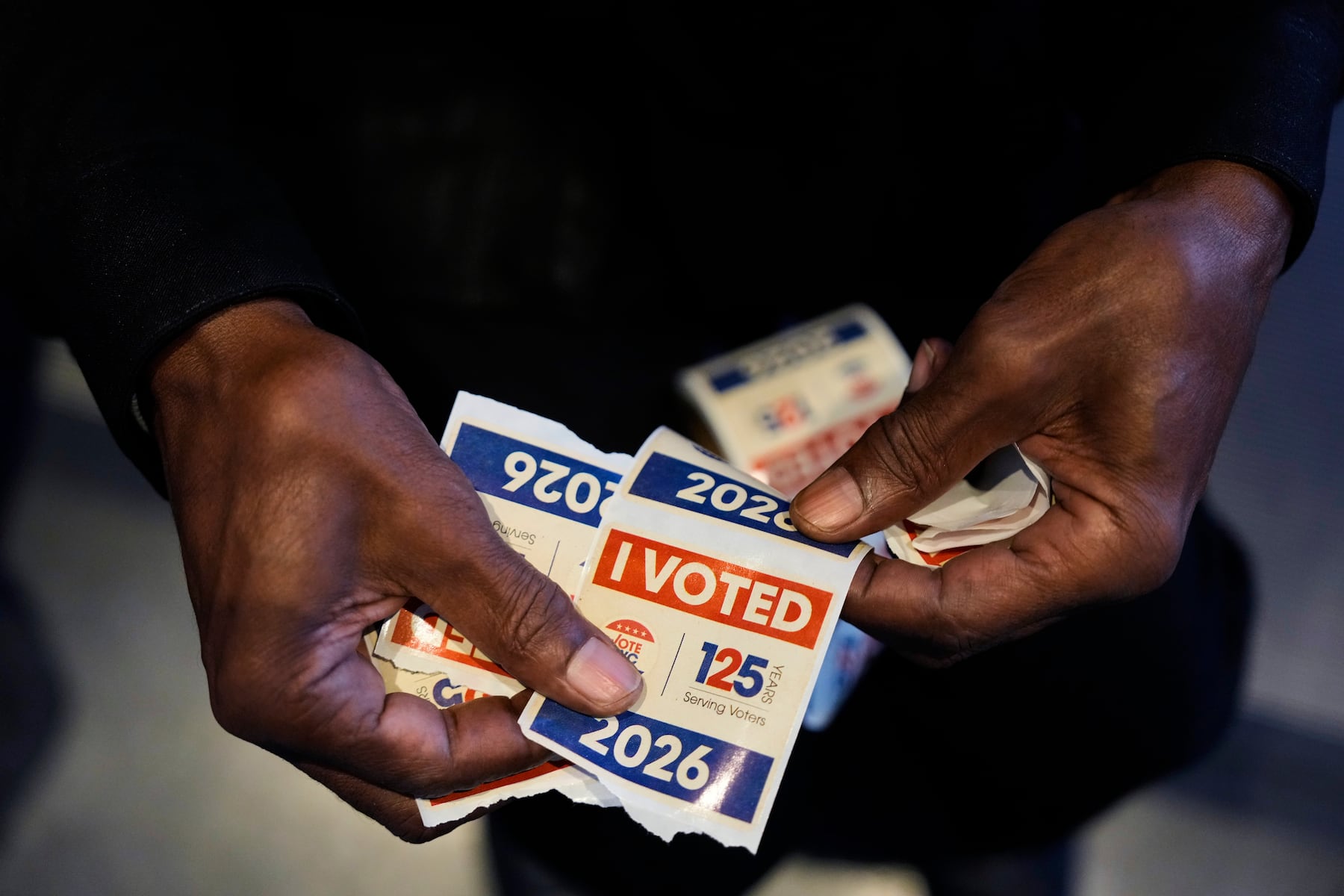
On a crisp November evening in Lancaster, as families gathered around their dinner tables and children finished homework, the buzz of political change was palpable. The recent midterm elections left many residents reflecting on the profound shifts happening across the nation — shifts that are now echoing loudly in our own community. Harry Enten, CNN’s renowned polling expert, recently declared that Democrats have secured a “huge mandate” after their sweeping victories in all 50 states. This isn’t just a headline; it’s a turning point that could reshape Lancaster’s future on many fronts.
The midterm elections of 2024 proved to be a watershed moment, with the Democratic Party making significant gains across the country. According to Harry Enten, the data indicates an unprecedented level of support for Democratic candidates, marking a clear departure from previous election cycles. The results reflect a broad-based mandate that spans urban centers, suburban neighborhoods, and rural communities alike. In Lancaster, this political wave is resonating with voters who see it as a call for renewed focus on community-centered policies, education, and family stability.
While the national narrative often centers on the political elite, here in Lancaster, the impact is personal. Local voters expressed a desire for leadership that prioritizes job growth, public safety, and support for families. The results also signal a shift in the community’s political engagement, with higher turnout and more diverse voices contributing to the electoral process. As Lancaster continues to grow and evolve, these election outcomes could influence local initiatives, from infrastructure investments to educational programs.
Historically, Lancaster has been a community where local politics often reflect broader national trends, but with a uniquely Lancaster flavor. The city, known for its rich history, vibrant arts scene, and diverse population, has long been a microcosm of American society. The recent elections have energized local activists, faith leaders, and grassroots organizations, all eager to see how this national mandate will translate into tangible improvements in daily life. From the revitalization of downtown Lancaster to expanded educational opportunities in the school districts, the community sees a path forward rooted in collective effort and shared values.
Many Lancaster residents welcomed the election results as a sign of hope and progress. Jane Miller, a mother of three and active church member, shared her thoughts: “It feels like our community’s values are finally being recognized on a bigger stage. We want leaders who understand the importance of strong families and faith-based principles.” Her sentiment echoes the broader community’s desire for policies that uphold traditional values and support families in staying united amidst changing societal norms.
Jane, like many others in Lancaster, is deeply involved in local church activities and community outreach. Her involvement gives her a unique perspective on how national politics influence local community cohesion. For many residents, faith-based organizations serve as anchors during times of political change, providing stability and a sense of purpose.
Local political figures and community leaders have expressed cautious optimism. Lancaster City Council member Robert Hayes noted, “This mandate presents both an opportunity and a responsibility. We need to ensure that the policies enacted reflect our community’s core values — faith, family, and hard work.” The community’s response underscores a collective hope that the national shift will translate into tangible benefits for Lancaster residents, especially in areas like education, healthcare, and economic development.
Hayes, who has served on the city council for over a decade, emphasizes that Lancaster’s local government is committed to working with state and federal officials to align policies with community priorities. Local nonprofits and civic groups are also preparing to advocate for initiatives that support affordable housing, workforce training, and mental health services — issues that resonate deeply with Lancaster’s diverse population.
Furthermore, the community’s active civic engagement has grown in recent years, with more residents participating in town hall meetings, volunteer efforts, and local campaigns. This increased participation reflects a community that is eager to shape its future and ensure that political shifts benefit everyone, especially marginalized groups and those historically underrepresented.
Looking ahead, Lancaster’s community leaders and residents are eager to see how this political momentum will shape local policies. The focus will likely turn to supporting small businesses, enhancing public safety, and strengthening educational opportunities — all vital to fostering a thriving, family-oriented community. Faith-based organizations and nonprofits are preparing to play a pivotal role in this new chapter, emphasizing the importance of authentic community bonds and shared values.
Furthermore, the election results serve as a reminder of the importance of active civic engagement. Lancaster’s churches, schools, and civic groups are already planning forums and discussions to ensure that everyone’s voice continues to be heard. These gatherings aim to foster dialogue on key issues such as economic development, healthcare access, and environmental sustainability — topics that matter deeply to Lancaster’s residents.
Local educators and school administrators are particularly hopeful about the potential for increased funding and support for Lancaster’s public schools. The city’s school district, which serves a diverse student body, has struggled with funding shortages and aging facilities. Many see this political shift as an opportunity to advocate for more resources, expanded extracurricular programs, and greater community involvement in education.
Economically, Lancaster’s small business community is optimistic but cautious. Local entrepreneurs like Maria Lopez, owner of a family-run bakery downtown, see the election results as a chance to expand and hire more staff. “We’re hopeful that policies will support local businesses like ours, especially with the challenges of inflation and supply chain issues,” she said. Her bakery, a staple in Lancaster’s historic Market Square, exemplifies the city’s resilient spirit and entrepreneurial drive.
In terms of public safety, community leaders are calling for increased investment in police and emergency services, especially in neighborhoods that have experienced rising crime rates. The Lancaster Police Department has been working closely with community organizations to build trust and develop proactive crime prevention strategies. The new political landscape could provide additional funding and support to these efforts.
Healthcare remains another critical issue. Lancaster’s residents have expressed concern over access to affordable healthcare, especially in rural parts of the county. Local clinics and hospitals are preparing to advocate for expanded Medicaid and other programs that can help bridge gaps in coverage. The community’s focus on health equity is expected to grow in the coming months as local stakeholders push for reforms aligned with the national mandate for change.
As Lancaster stands at this crossroads, the community’s shared commitment to faith, family, and hard work remains a guiding principle. Faith-based organizations, civic groups, and local nonprofits are poised to lead initiatives that reinforce these values, fostering a sense of unity and purpose. These efforts will be crucial as Lancaster navigates the complex landscape of policy changes and community needs.
In this season of change, Lancaster stands at a crossroads — one that offers hope, renewed purpose, and the promise of a community united by shared values and a common vision for the future. The coming months will reveal how effectively local leaders, organizations, and residents can turn this national mandate into meaningful progress for Lancaster, ensuring that the community not only adapts but thrives in the years ahead.
By David Robinson

By David Robinson
By David Robinson
By David Robinson