
Dining
Cleanliness isn’t a priority at this place: What restaurant inspectors found
By Sarah Patel
Advertisement · Why this ad?
Sarah is a food enthusiast with a degree in Culinary Arts from The Culinary Institute of America. She has spent the last 5 years writing for food blogs and local publications, where she focused on Lancaster's vibrant dining scene.
More from Sarah →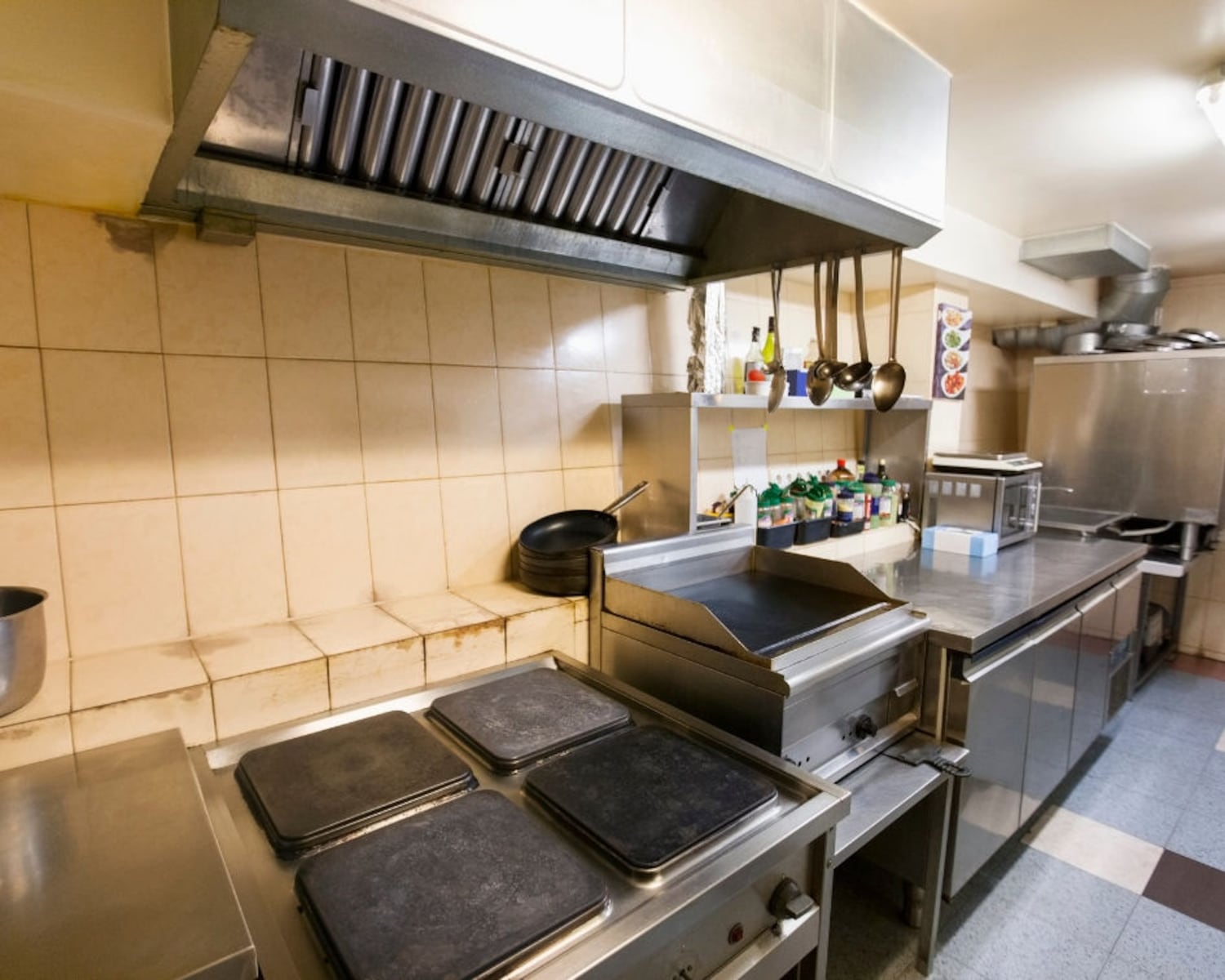
As the sun sets over Lancaster, the aroma of freshly baked bread wafts through the streets, mingling with the tantalizing scent of spices from nearby eateries. However, not all establishments share this inviting experience. Recent inspections conducted by the Dauphin County Department of Agriculture reveal a troubling reality lurking behind the scenes of some local restaurants, where rotting food odors and pest infestations have raised serious concerns about food safety.
Between October 22 and November 2, a series of inspections were carried out across various food establishments in Dauphin County, revealing unsettling findings. Among the establishments inspected, several were cited for failing to adhere to Pennsylvania’s stringent food safety regulations. The inspections uncovered issues ranging from unsanitary conditions to the presence of pests, such as cockroaches, which can pose significant health risks to patrons.
One notable establishment, located in Harrisburg, was flagged for having a strong odor of rotting food, a clear indication of improper food storage and handling practices. The inspectors noted that the establishment had not only failed to maintain proper cleanliness but also had issues with food being held at unsafe temperatures. These violations can lead to foodborne illnesses, which can affect the community at large.
Another restaurant, also found in Harrisburg, was cited for having cockroaches present in the kitchen area. The presence of these pests is not just a nuisance; it is a direct violation of health codes that are in place to protect consumers. The inspectors emphasized the importance of maintaining a clean environment to prevent such infestations.
The revelations from these inspections have sparked a wave of concern among Lancaster residents. Many locals have expressed their dismay at the thought of dining in establishments that do not prioritize food safety. “I always thought that the restaurants in our area were held to high standards,” said Maria Gonzalez, a long-time resident. “Hearing about rotting food and cockroaches is alarming. It makes me reconsider where I eat.”
Community members have taken to social media platforms to voice their concerns, sharing their experiences and urging others to be cautious. The inspections serve as a reminder of the importance of supporting businesses that uphold high standards of cleanliness and food safety. As families gather around tables in local restaurants, the need for transparency and accountability in the food industry becomes increasingly evident.
Local health officials have been proactive in addressing these issues. They have organized community meetings to discuss food safety practices and encourage residents to report any concerns they may have regarding local eateries. “We want to empower the community to be vigilant about food safety,” said Dr. Emily Carter, a public health official. “Our goal is to ensure that all food establishments comply with health regulations to protect our families.”
Efforts to raise awareness about food safety have also included informational campaigns highlighting the importance of proper food storage and hygiene practices. These initiatives aim to educate both restaurant owners and consumers about their roles in maintaining a safe dining environment.
In addition to community meetings, local schools and organizations have begun to incorporate food safety education into their programs. Workshops are being held to teach children and families about the significance of food hygiene, not only to foster better practices at home but to create a generation that values food safety in all aspects of life.
Moving forward, the Dauphin County Department of Agriculture plans to increase the frequency of inspections to ensure compliance with food safety regulations. This proactive approach aims to prevent future violations and protect the health of the community. “We are committed to ensuring that all food establishments operate safely and responsibly,” stated a spokesperson from the department.
In addition to increased inspections, the department is collaborating with local restaurant owners to provide training sessions focused on food safety best practices. These sessions will equip owners and staff with the knowledge they need to maintain a clean and safe environment for their customers.
Moreover, the department is looking into implementing a public rating system that would allow consumers to see inspection results online. This transparency could empower diners to make informed choices about where to eat, further encouraging restaurants to uphold high standards.
The local Chamber of Commerce is also getting involved, encouraging establishments to participate in food safety workshops and certifications. By fostering a culture of accountability, the community aims to ensure that dining out remains a safe and enjoyable experience for everyone.
As the community rallies together, the hope is that these efforts will lead to a renewed commitment to food safety among local restaurants. Families in Lancaster deserve to dine in environments where they can feel confident about their health and well-being.
Local business owners are also stepping up to the plate, with many expressing their willingness to collaborate on initiatives that promote food safety. “As a restaurant owner, I understand the importance of keeping our customers safe,” said John Smith, owner of a popular local eatery. “We are all in this together, and I believe that by working collectively, we can improve the standards of our industry.”
Community events, such as food festivals and farmers' markets, are also being utilized as platforms to emphasize the importance of food safety. These gatherings not only celebrate local cuisine but also serve as opportunities for education and outreach, allowing residents to engage directly with food producers and restaurant owners about their practices.
The recent inspections in Dauphin County serve as a wake-up call for both restaurant owners and diners alike. As the community navigates the complexities of food safety, it is imperative that all stakeholders take responsibility for maintaining high standards. By supporting establishments that prioritize cleanliness and safety, residents can contribute to a healthier dining culture in Lancaster.
As the saying goes, “You are what you eat,” and in Lancaster, the community is determined to ensure that what they eat is safe, nutritious, and prepared with care. Together, they can create a dining environment that reflects their values of family, commitment, and authentic faith.
By Sarah Patel

By Sarah Patel

By Sarah Patel

By David Robinson