
Community
Popular YouTuber files for divorce after husband’s shocking affair
By David Robinson
Advertisement · Why this ad?
David graduated from Franklin & Marshall College and has been a community journalist for over 8 years, previously working at the Lancaster Examiner. He focuses on the heart of Lancaster, covering local events, festivals, and community initiatives.
More from David →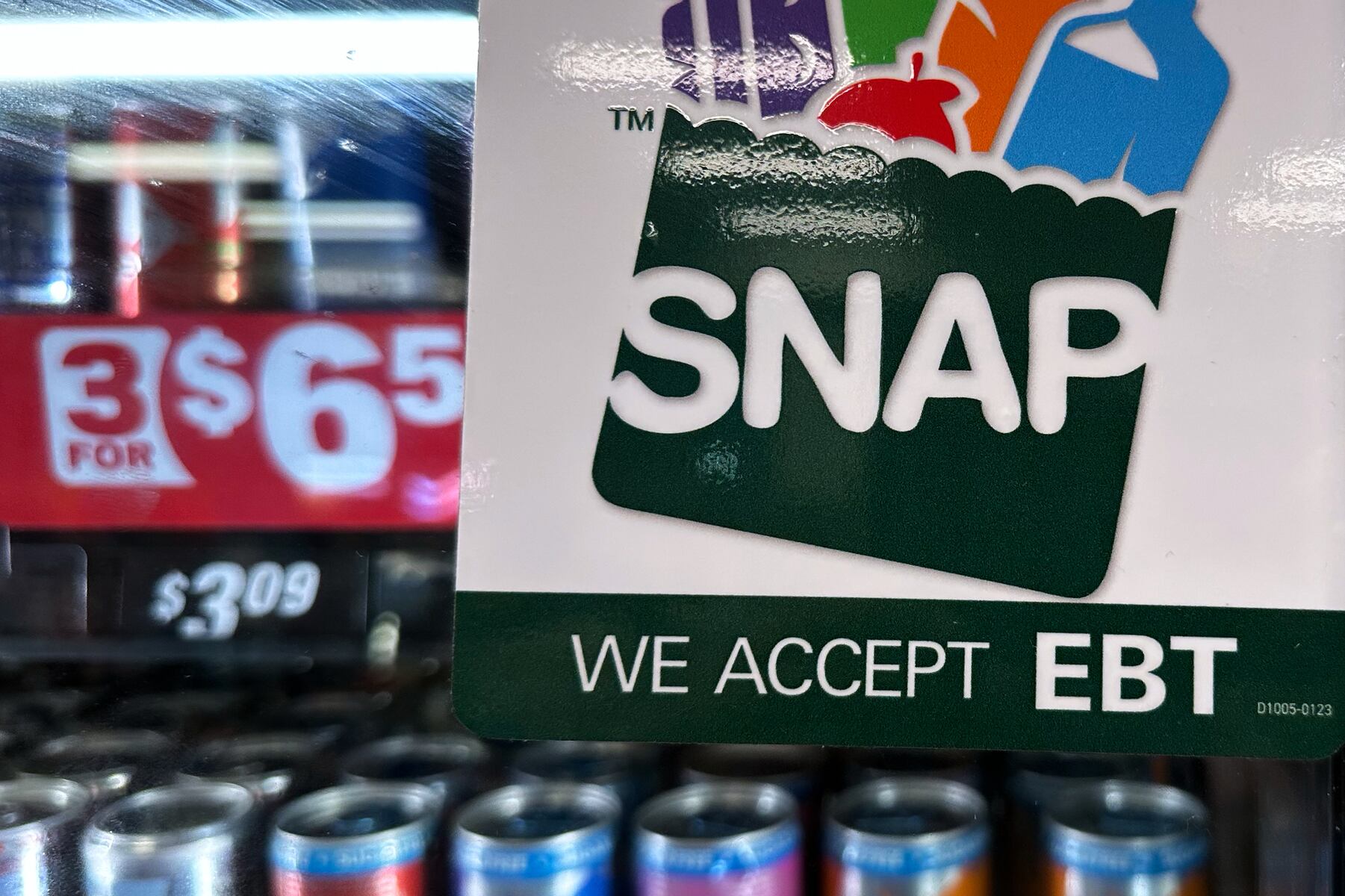
As the sun sets over Lancaster, the vibrant colors of summer fade into the warm hues of autumn. Families gather in their backyards, sharing stories and laughter, but a shadow looms over some of the most vulnerable members of our community. In a surprising twist, states across America are tightening their grip on the Supplemental Nutrition Assistance Program (SNAP), a lifeline for many low-income families. Just five months after a federal court ruled against the U.S. Department of Agriculture for overstepping its authority, states like Pennsylvania are moving ahead with restrictions on food purchases, including popular items like soda and candy.
In March 2023, a federal court made a landmark ruling that the U.S. Department of Agriculture (USDA) had exceeded its legal authority by approving state SNAP Food Restriction Waivers. These waivers allowed certain states to limit the types of food that could be purchased with SNAP benefits, a program designed to assist families struggling to put food on the table. Despite this ruling, a growing number of states are choosing to implement these restrictions anyway, sparking a debate over food access and personal choice.
As of now, states such as New York, New Jersey, and Virginia are among those pushing forward with plans to ban the purchase of sugary drinks and snacks through SNAP. Advocates argue that these measures are necessary to combat rising obesity rates and promote healthier eating habits. However, critics contend that such restrictions unfairly penalize low-income families who rely on SNAP benefits to feed their children.
The reaction in Lancaster has been mixed, reflecting the broader national conversation around food access and personal responsibility. Many local families express concern over these restrictions, particularly single-parent households who often rely on SNAP to provide for their children. “It’s frustrating,” says Maria Gonzalez, a local mother of three. “We’re already struggling to make ends meet. Now they want to tell us what we can and can’t buy?”
Community leaders are also weighing in on the issue. Pastor John Thompson of Lancaster Community Church believes that while promoting healthy eating is important, the approach taken by the state may do more harm than good. “We need to support families, not restrict them. Instead of banning items, let’s focus on education and access to healthier options,” he suggests. His church has been involved in various initiatives to promote nutrition education among low-income families.
Local businesses are also feeling the impact of these proposed restrictions. Small grocery stores and convenience shops that cater to low-income neighborhoods may suffer if customers can no longer use their SNAP benefits to purchase popular items. “It’s a double-edged sword,” says store owner Sam Patel. “We want to encourage healthy choices, but we also need to keep our doors open.”
The SNAP program, which serves over 40 million Americans, has long been a point of contention in discussions about food policy. Advocates for food justice argue that access to all types of food, including treats like soda and candy, is essential for maintaining dignity and choice for families. “Food security is about more than just nutrition,” explains Dr. Emily Chen, a local nutritionist. “It’s about giving families the freedom to choose what they want to feed their children.”
On the other hand, the rising rates of obesity and diet-related illnesses cannot be ignored. According to the Centers for Disease Control and Prevention, more than 42% of adults in the U.S. are classified as obese. This statistic has prompted some states to take action, even if it means going against federal rulings. “The health of our community is at stake,” says Virginia state senator Lisa Carter, who supports the restrictions. “We have a responsibility to protect our children.”
For families like the Gonzalezes, the implications of these restrictions are profound. Maria, who works two jobs to support her family, worries about how these changes will affect her children’s happiness and well-being. “Sometimes, a soda or a candy bar is a small treat that makes a tough day a little brighter,” she shares. “It’s not just about nutrition; it’s about joy.”
The emotional toll of these restrictions can be significant. Children may feel deprived of the same treats their peers enjoy, leading to feelings of exclusion and sadness. “We should be lifting families up, not pushing them down,” remarks Pastor Thompson. “A healthy community is one where everyone feels included and valued.”
In light of these impending changes, local organizations are stepping up to provide resources and support for families navigating the complexities of food access. The Lancaster County government has partnered with various nonprofits to offer nutrition workshops and cooking classes aimed at teaching families how to prepare healthy meals on a budget. These programs emphasize the importance of making informed choices while still enjoying the occasional treat.
Additionally, local food banks, such as the Central Pennsylvania Food Bank, are expanding their outreach efforts to ensure families have access to nutritious food options. “We’re committed to helping our neighbors in need,” says food bank director Sarah Miller. “We’re here to support families, not to judge their choices.”
As the conversation around SNAP restrictions continues, it’s clear that the issue is far from settled. Families in Lancaster and beyond are left wondering how these changes will affect their daily lives and the choices they can make for their children. The push for healthier eating is important, but it must be balanced with the understanding of the challenges faced by low-income families.
Moving forward, community leaders and policymakers must work together to find solutions that respect the dignity of families while promoting health. As Lancaster residents gather around their dinner tables, they do so with the hope that their voices will be heard in the ongoing dialogue about food access and personal choice. “We just want to be able to provide for our kids and give them a happy childhood,” Maria Gonzalez sums up poignantly. “That’s what every parent wants.”
By David Robinson
By David Robinson
By David Robinson

By David Robinson